





JenniBag Zippers & Material Quality: What the Old Reviews Got Right, and What Changed

If you've been researching JenniBag and came across reviews mentioning zipper problems, cheap-feeling material, or durability concerns — those weren't made up.
Some early customers (before 2026) did experience issues. Specifically: the interior divider zipper struggling under heavy loads, the outer zipper feeling less confidence-inspiring than expected, and the corner lining occasionally catching mid-zip.
This page explains exactly what changed, why it changed, and what you should expect from every JenniBag going out today.
First: What kind of bag is JenniBag, actually?
This matters before anything else.
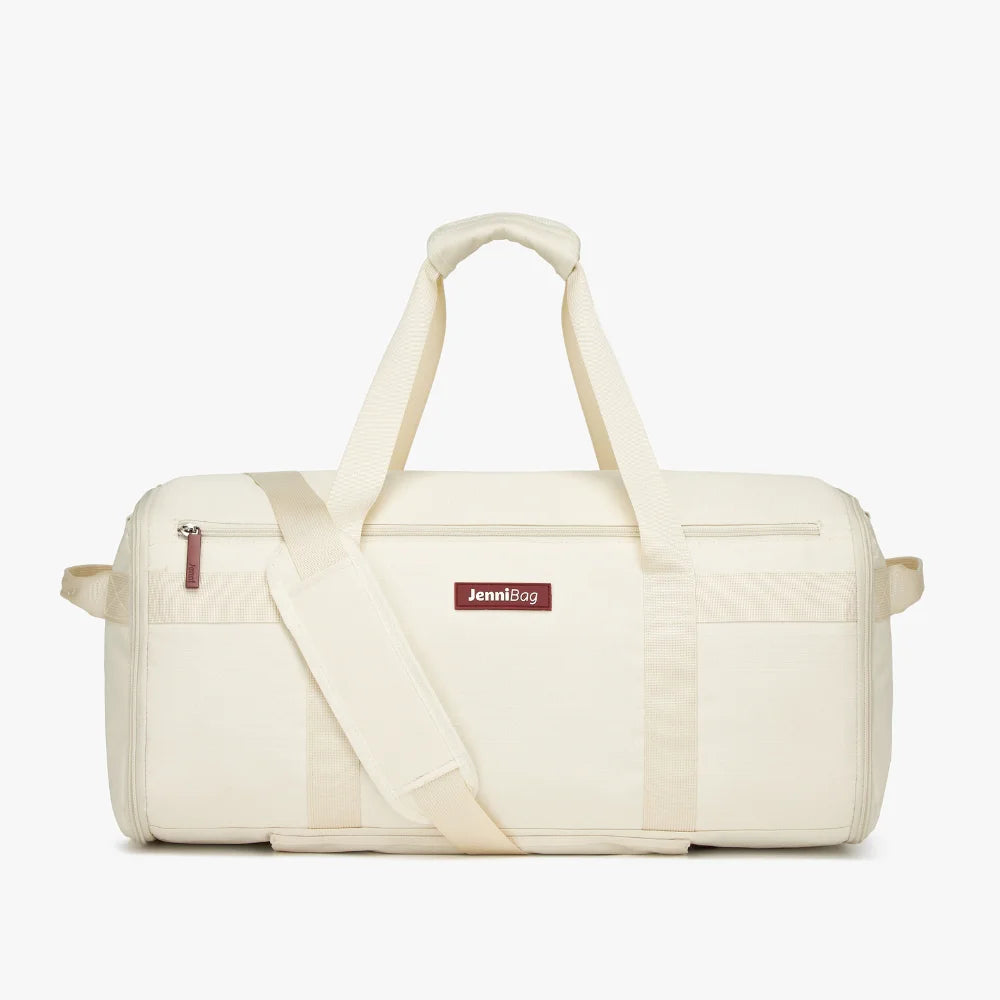
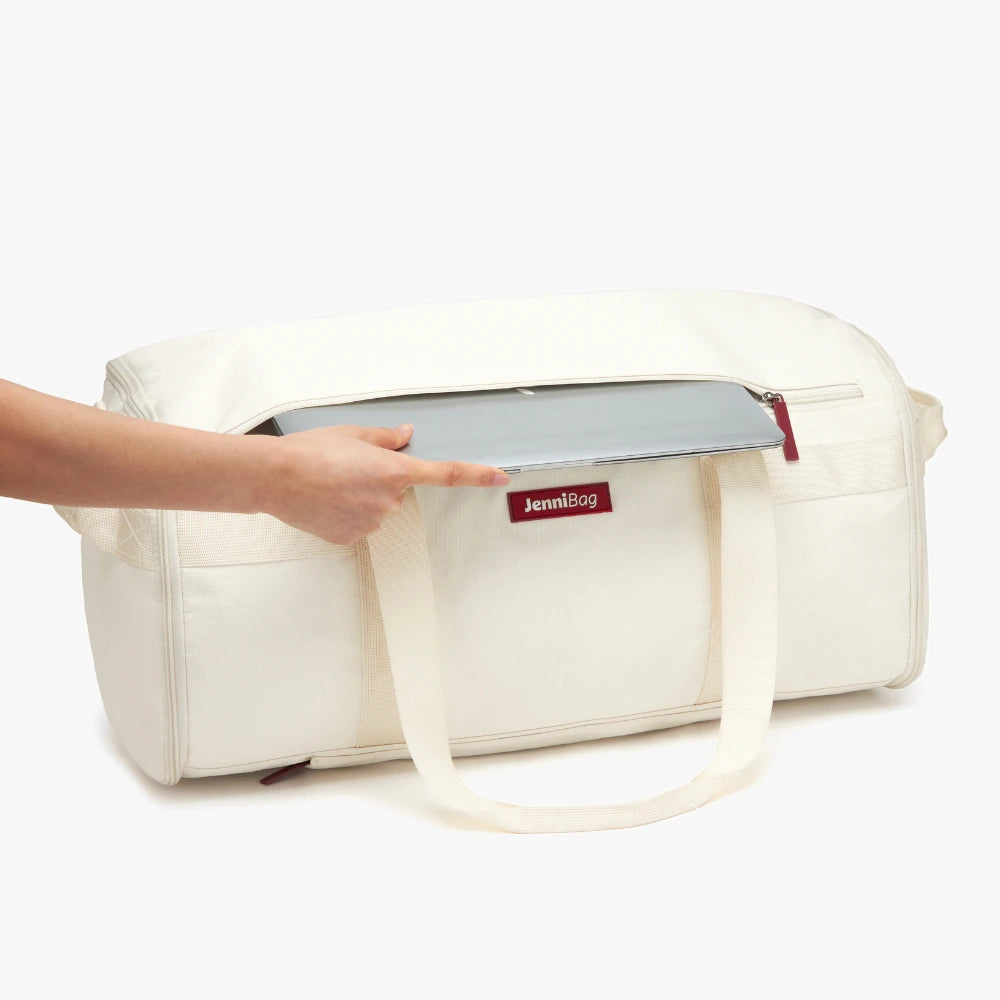
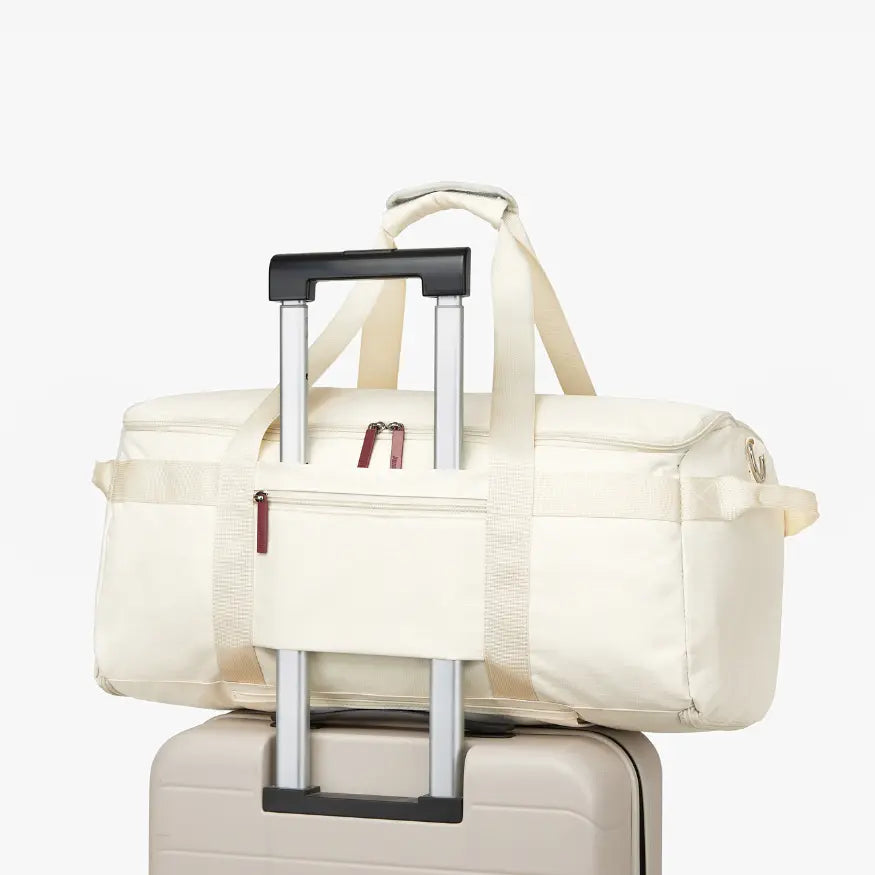
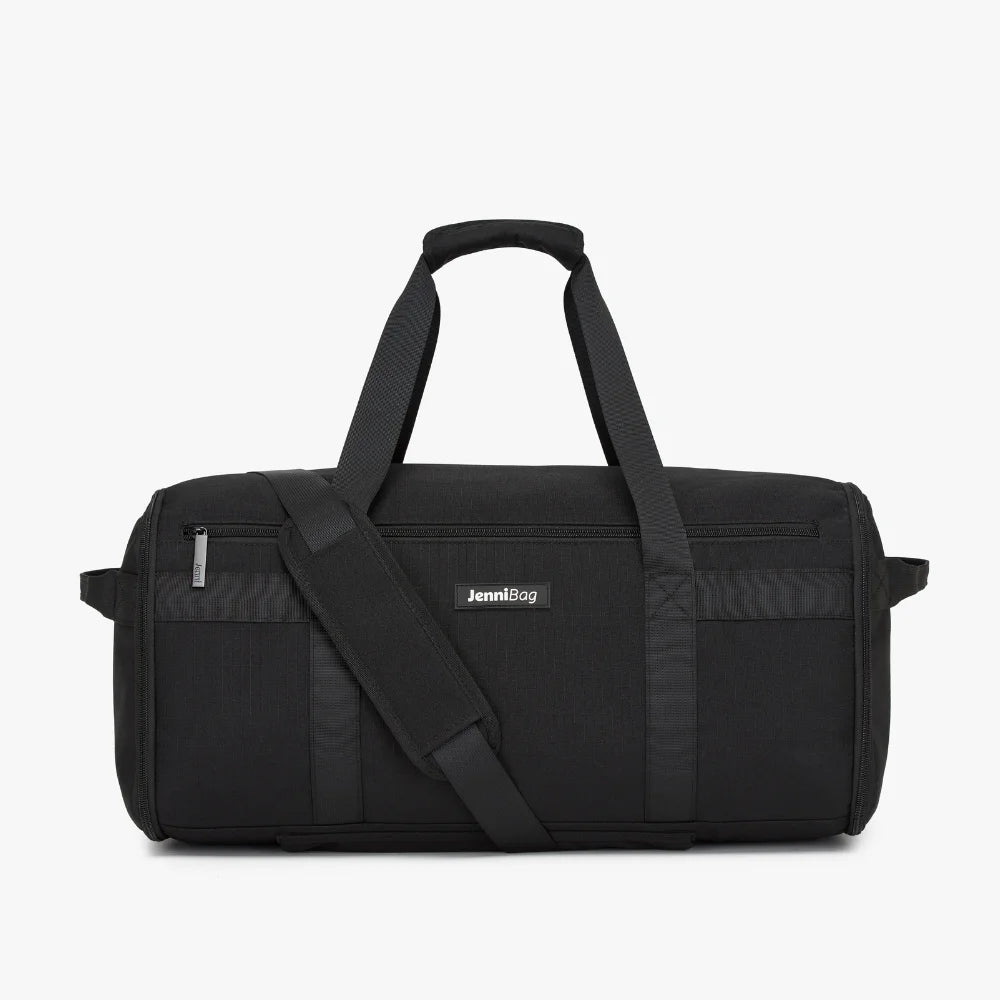
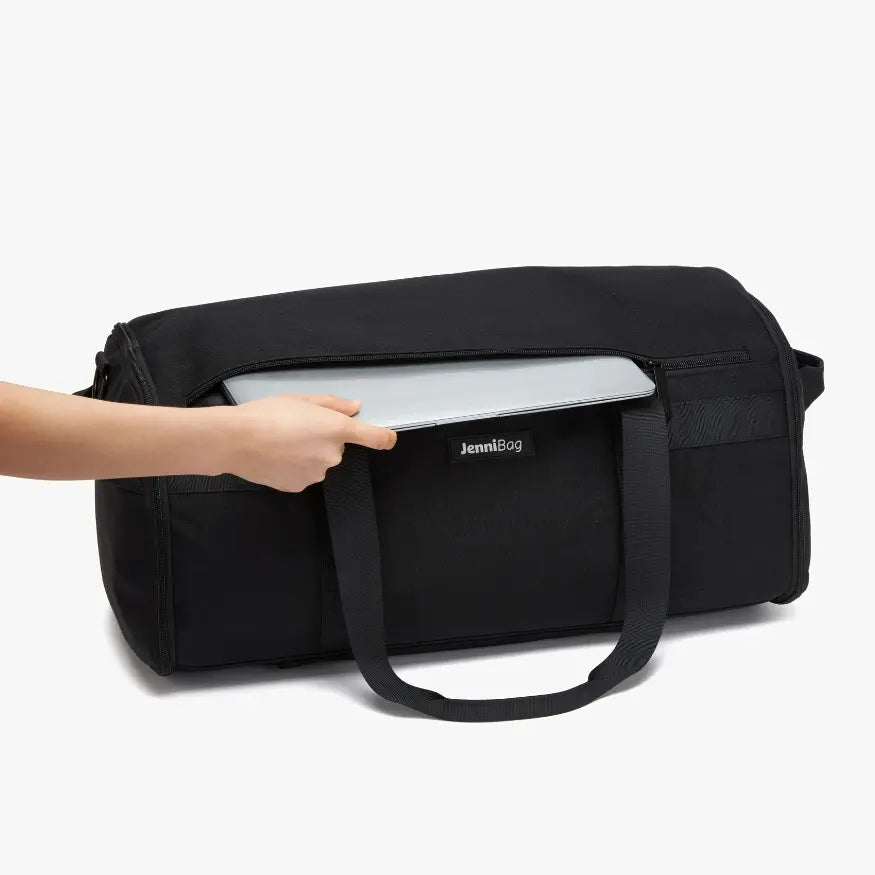
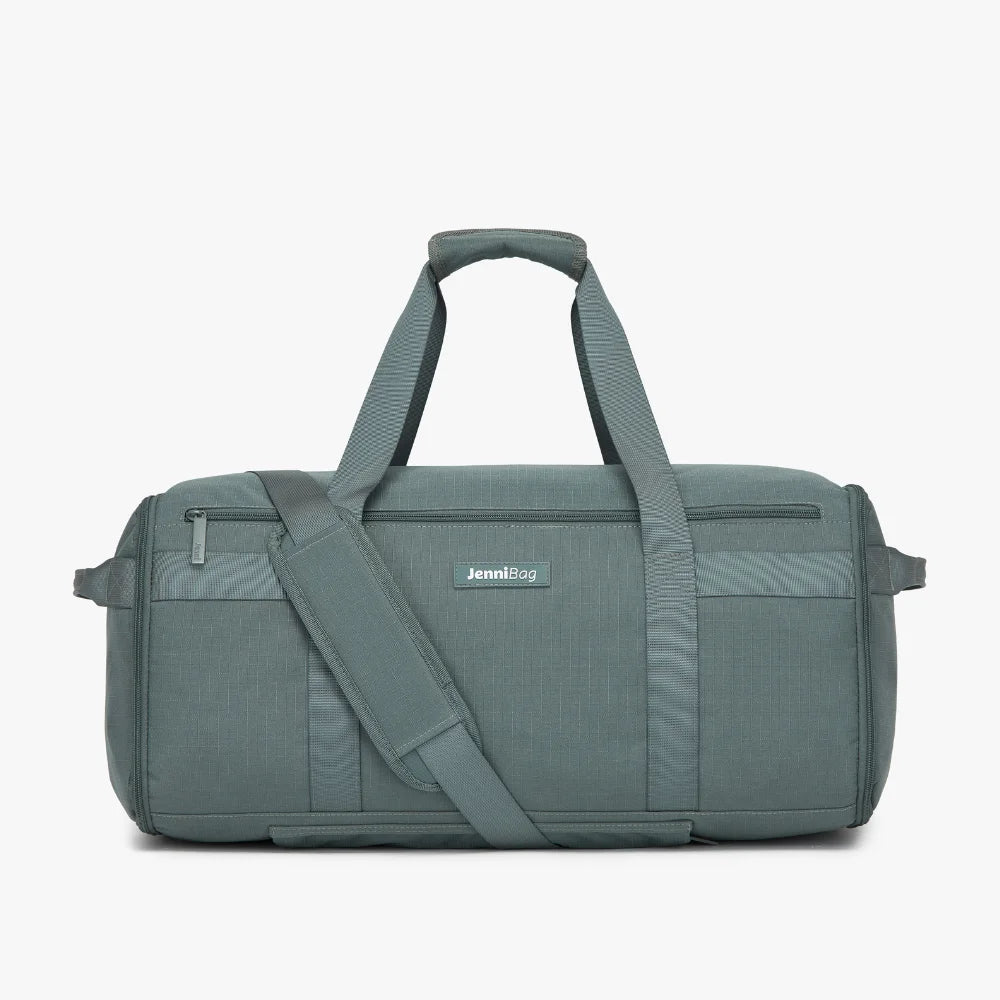
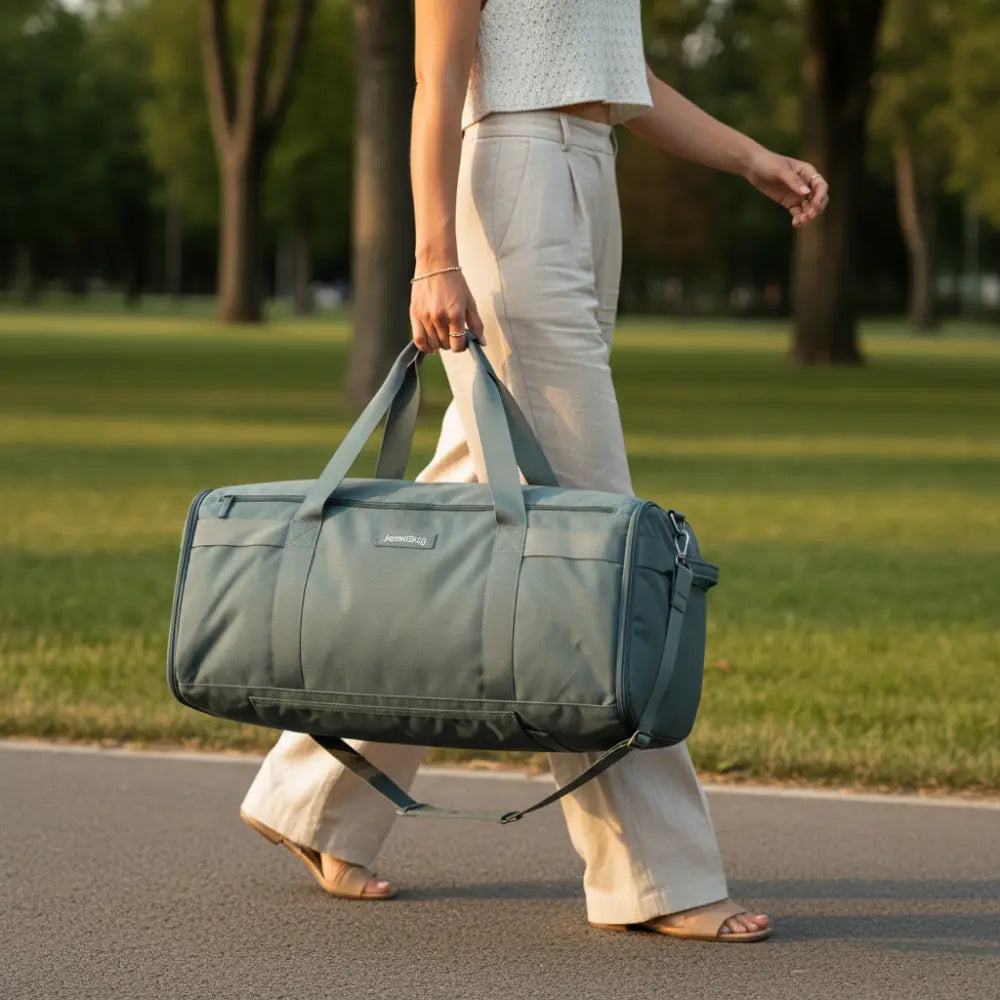
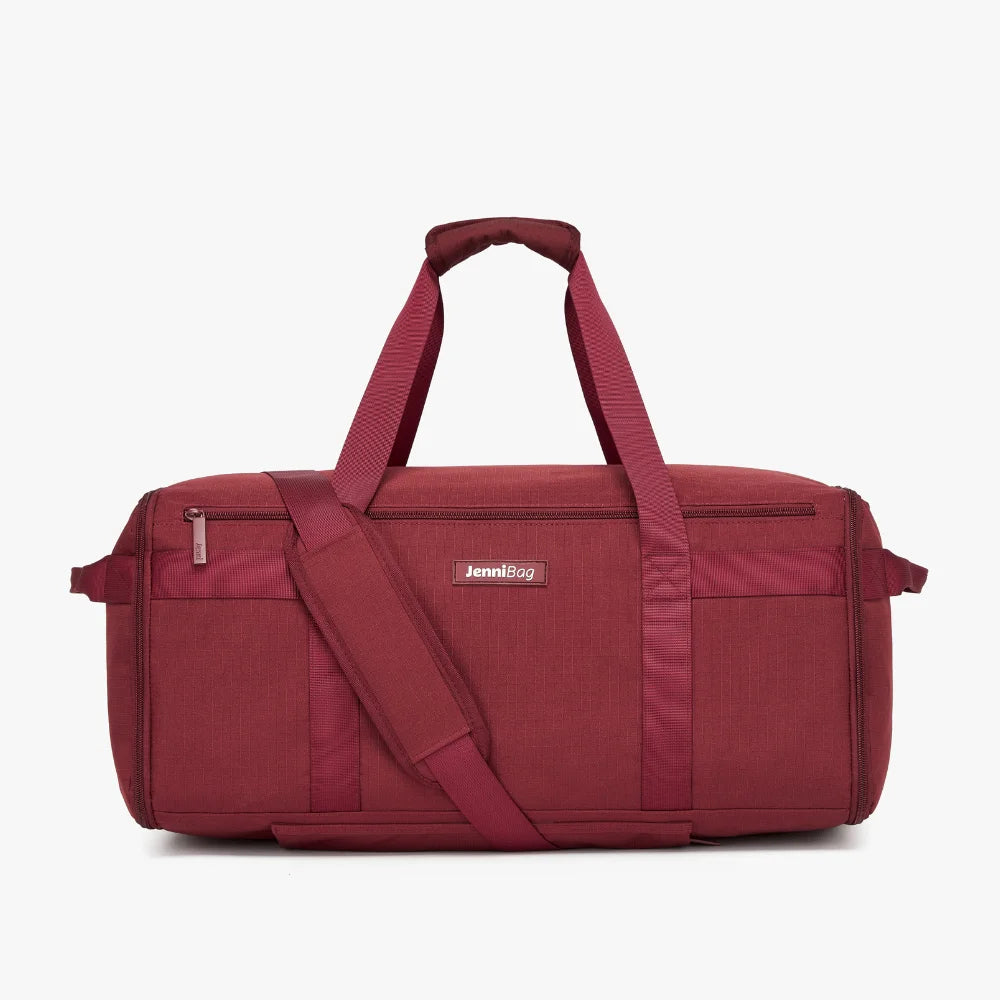
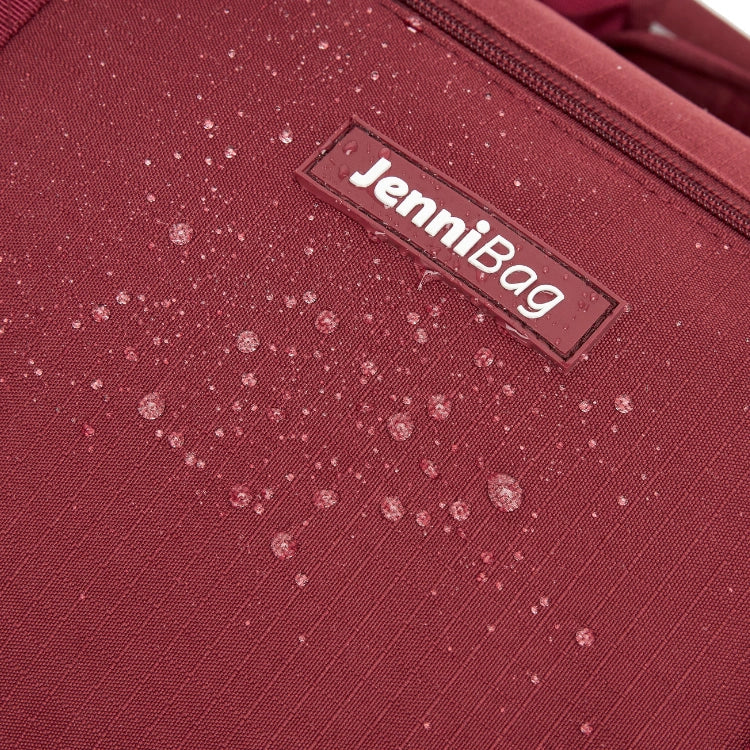
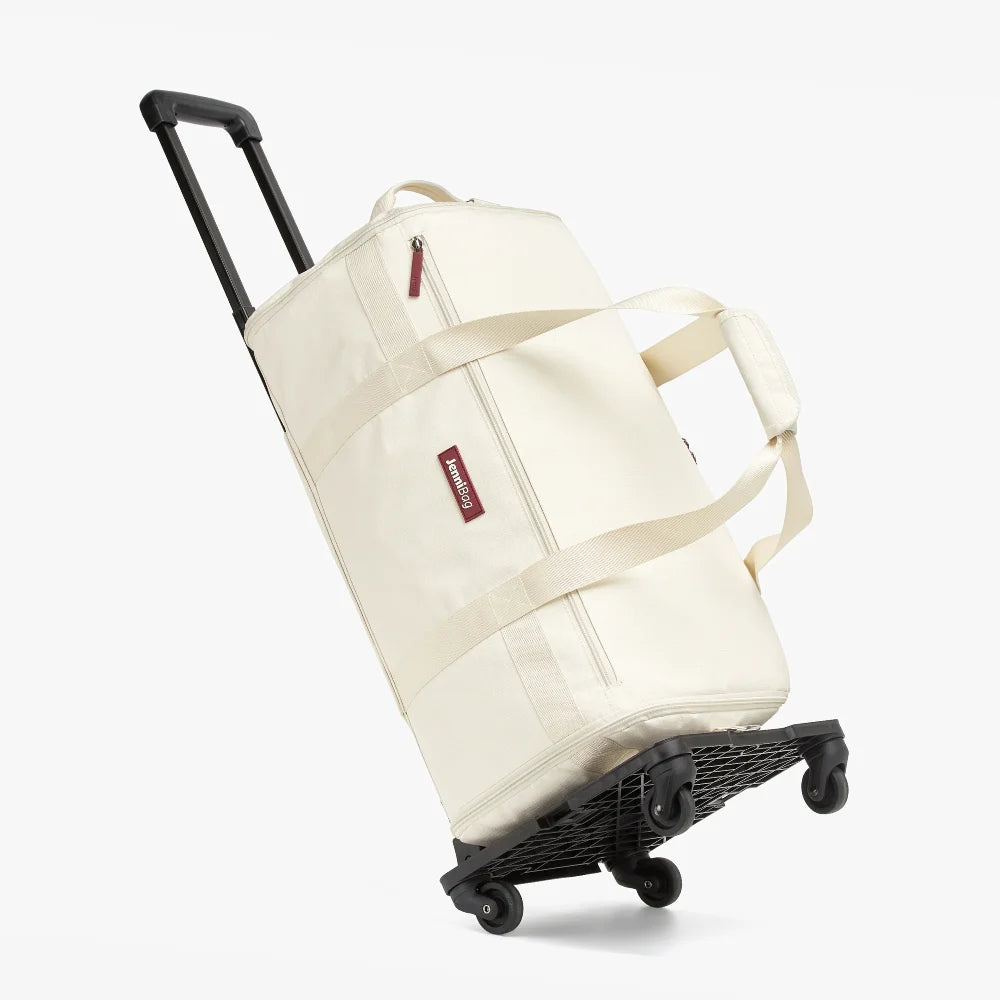
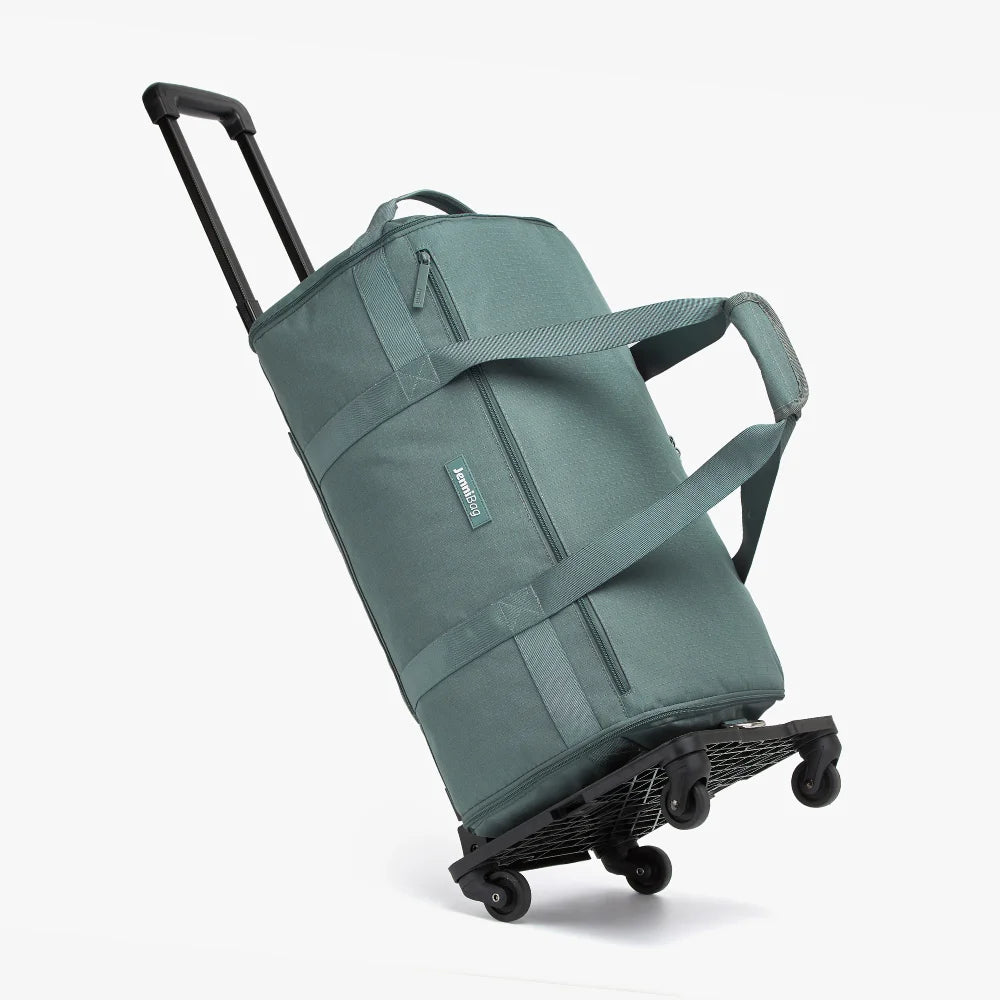
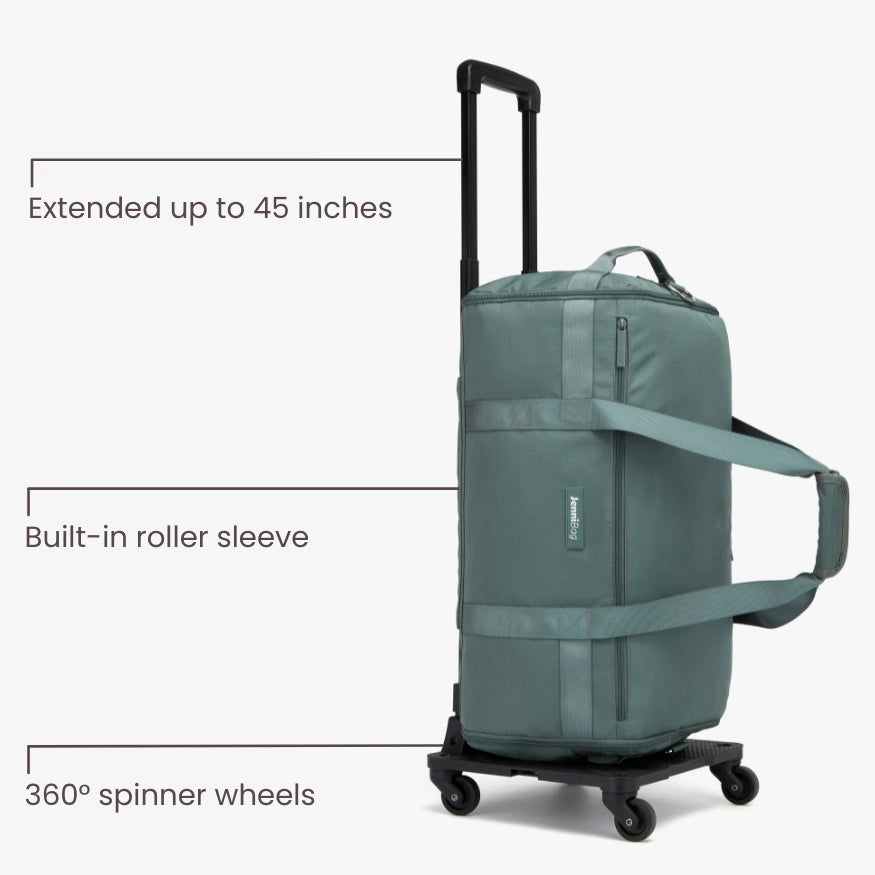
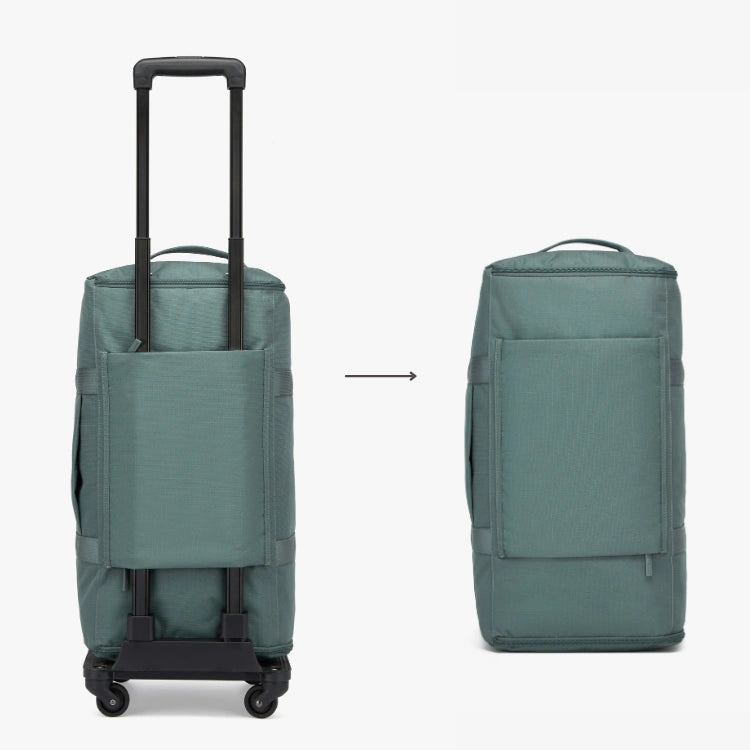
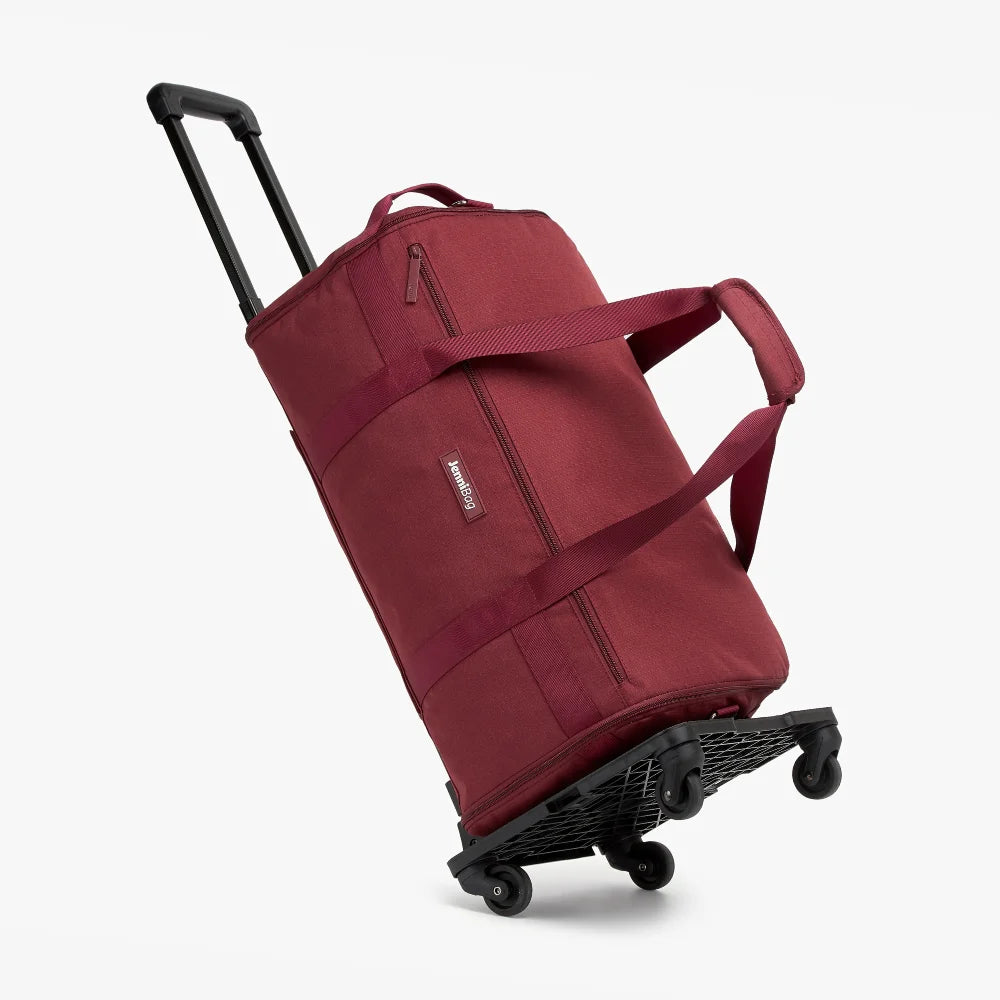
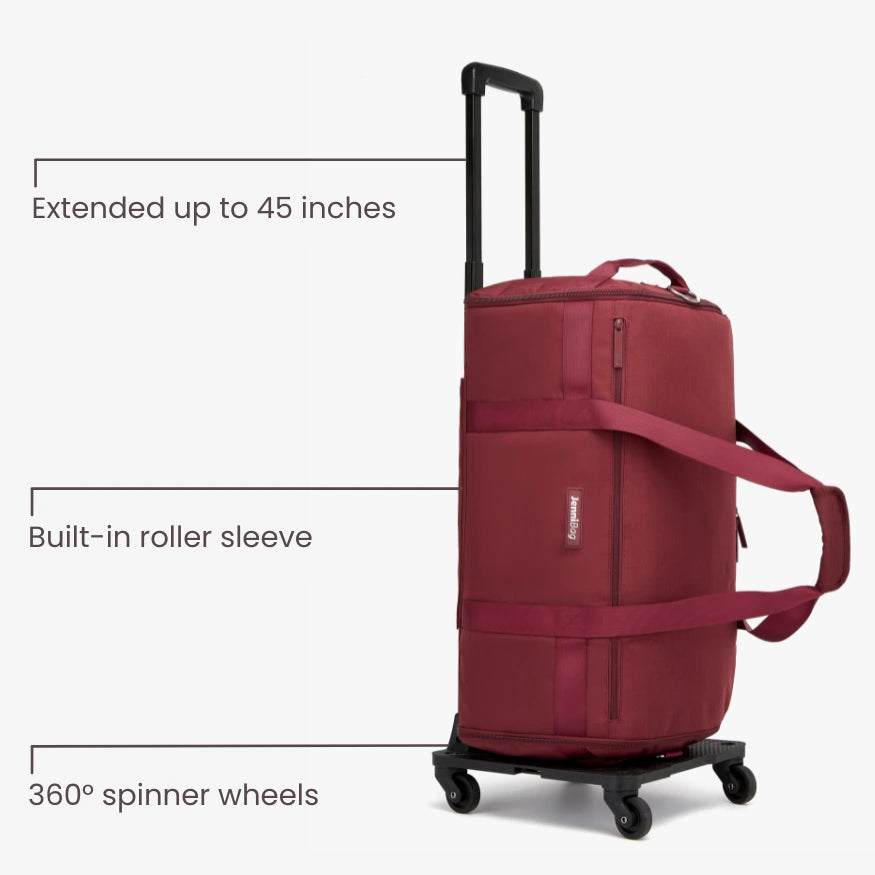
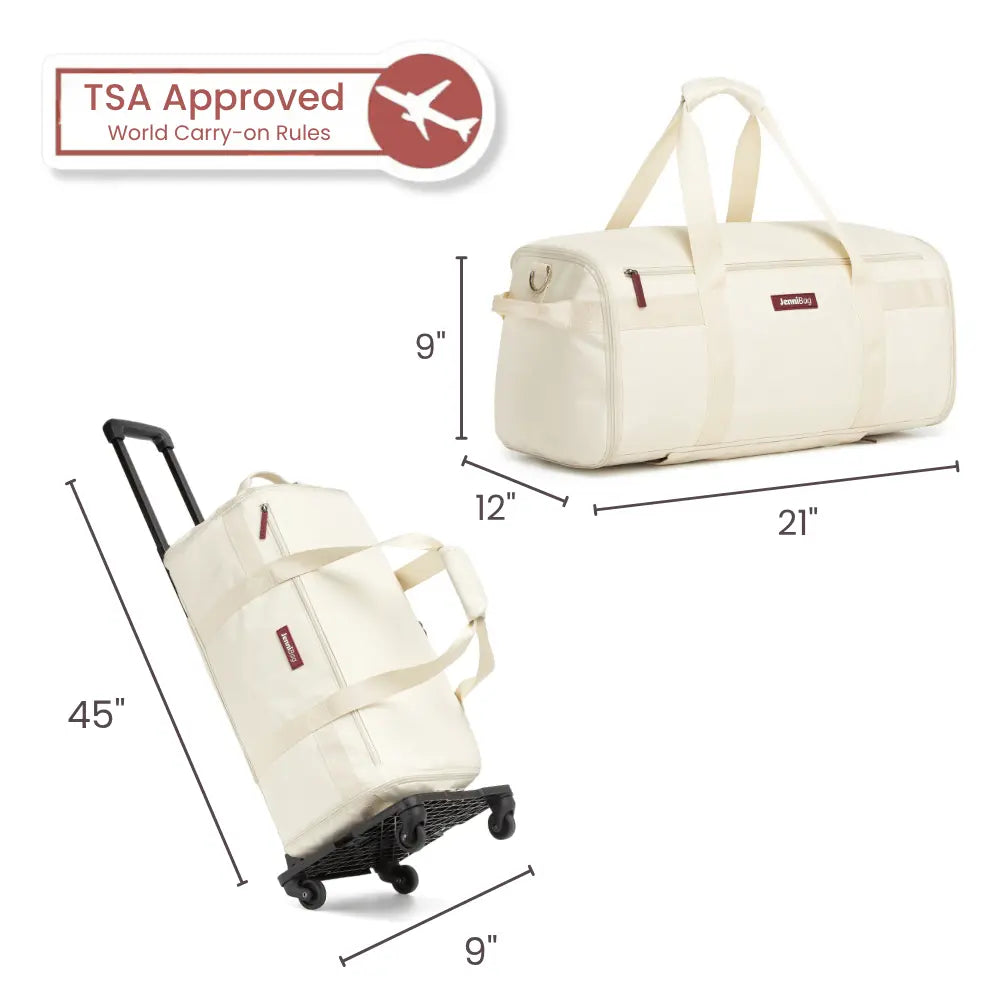
JenniBag is a soft-sided travel bag — not hard-shell luggage. That distinction is important because it sets the right expectations for material feel and how the bag behaves.
Some customers who expected hard-shell rigidity found the material felt "thin" or "plastic-y" by comparison. That's a mismatch in expectations, not a defect. But the zipper complaints? Those were legitimate. That's where we focused.
What zipper feedback we received

Over time, a pattern emerged in customer feedback:
The interior T-shape divider zipper
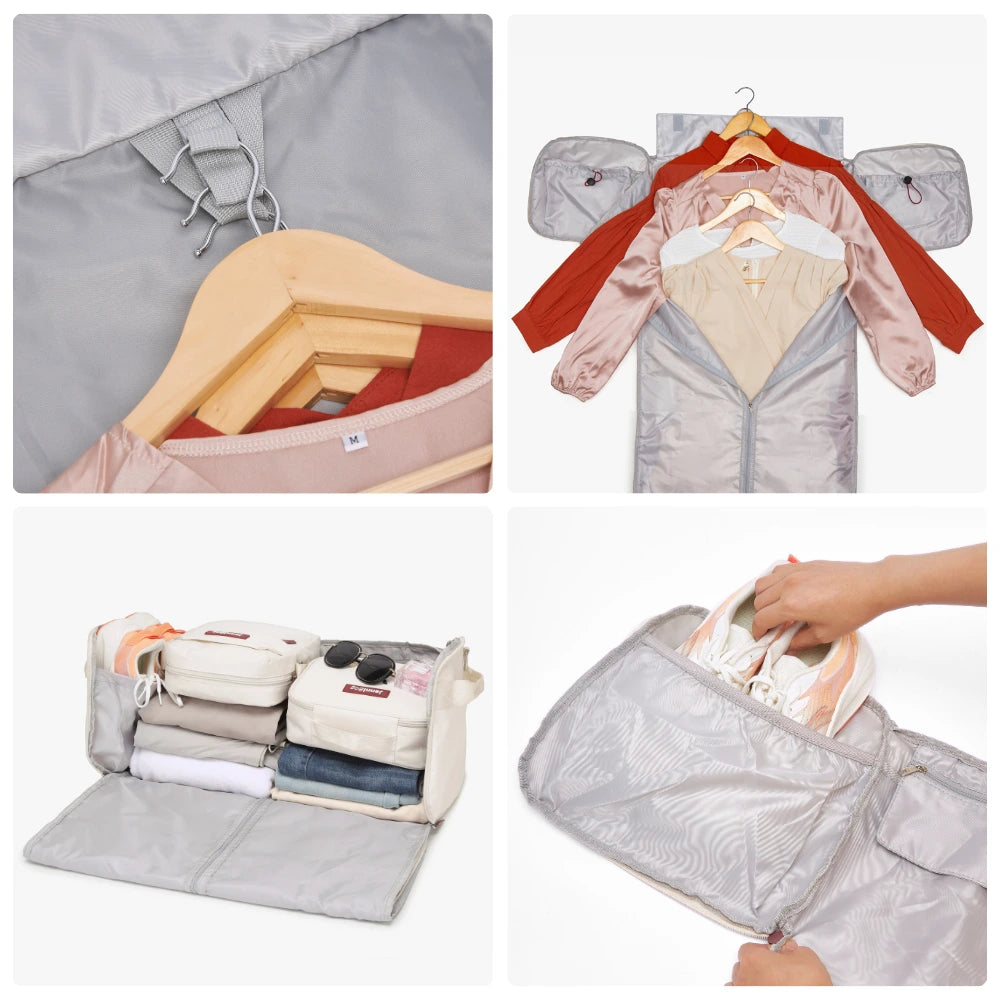
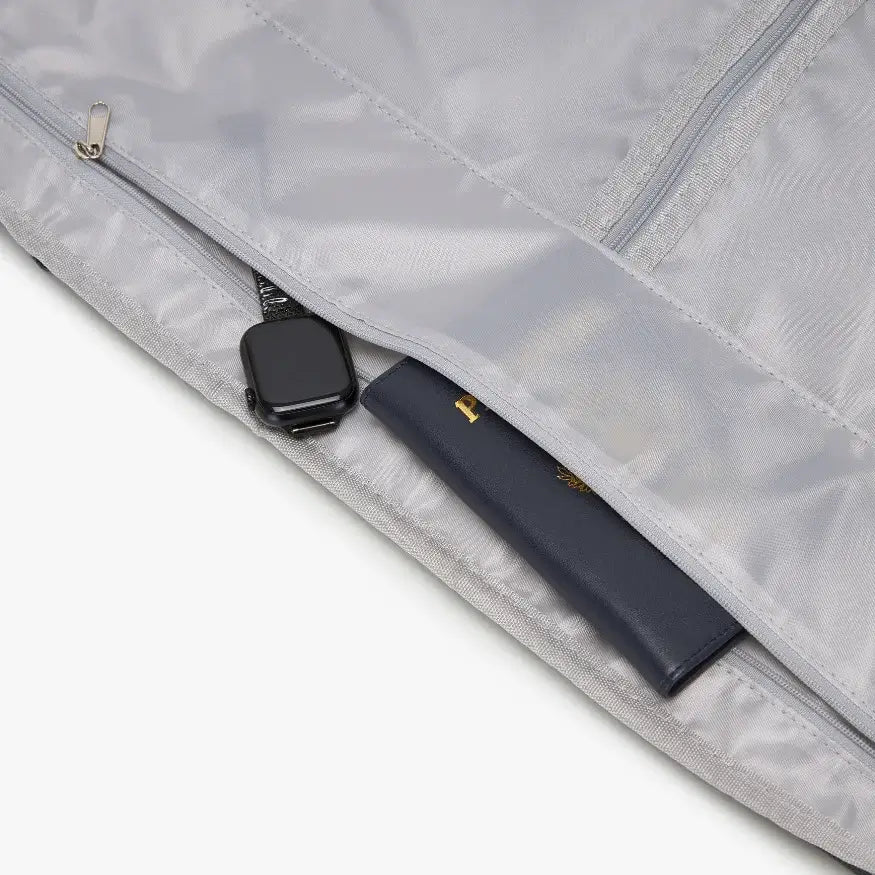
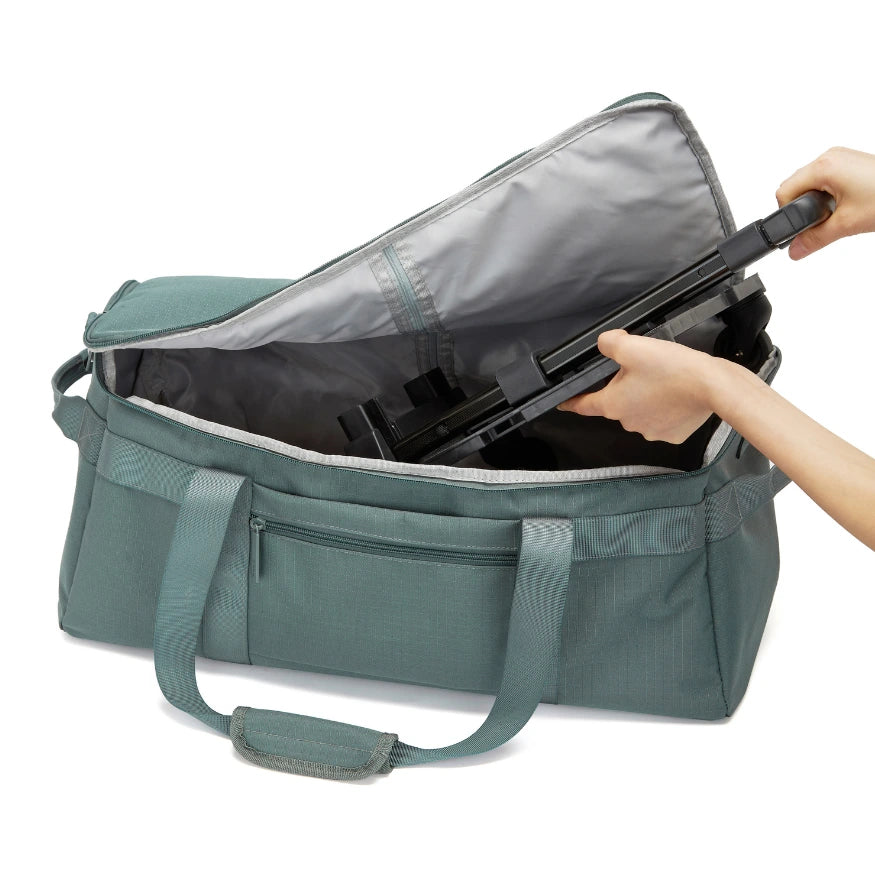
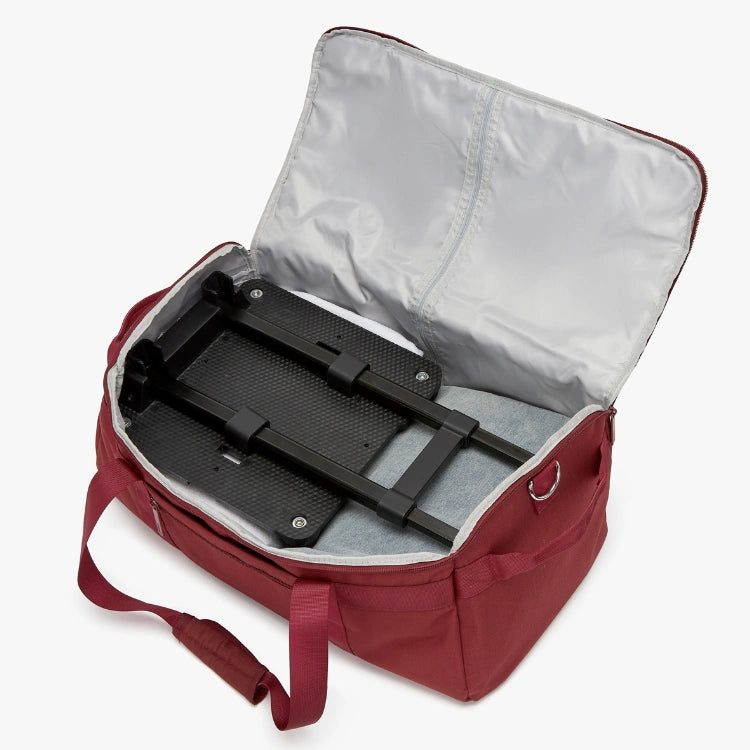
The interior T-shape divider zipper was the most common complaint point. Customers who pack heavy — true overpackers filling the bag to capacity — reported that the zipper would occasionally resist, skip, or struggle at the junction point. The junction is the spot where the T-shape meets, which naturally concentrates the most stress when the bag is fully loaded. The original zipper grade wasn't built for that kind of repeated pressure.
The outer main zipper
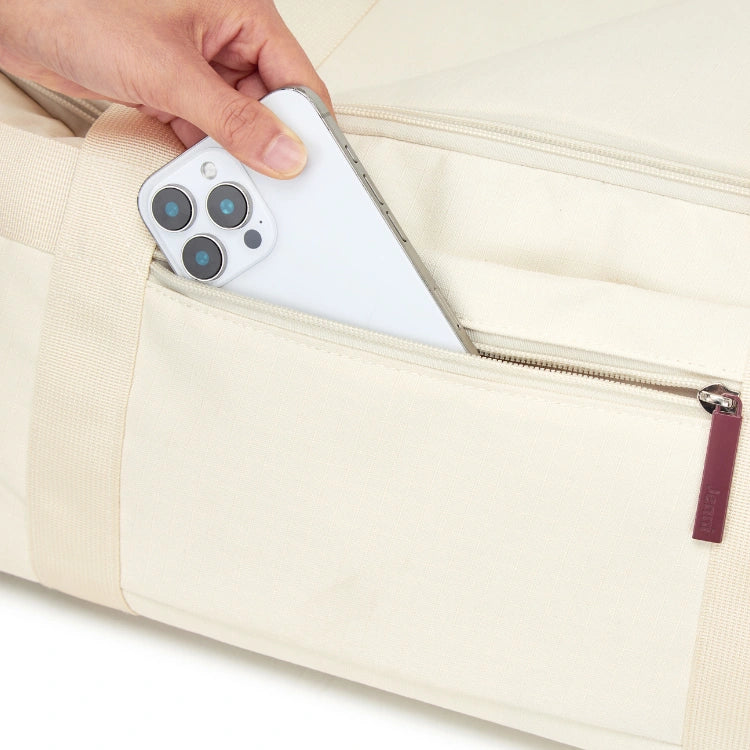
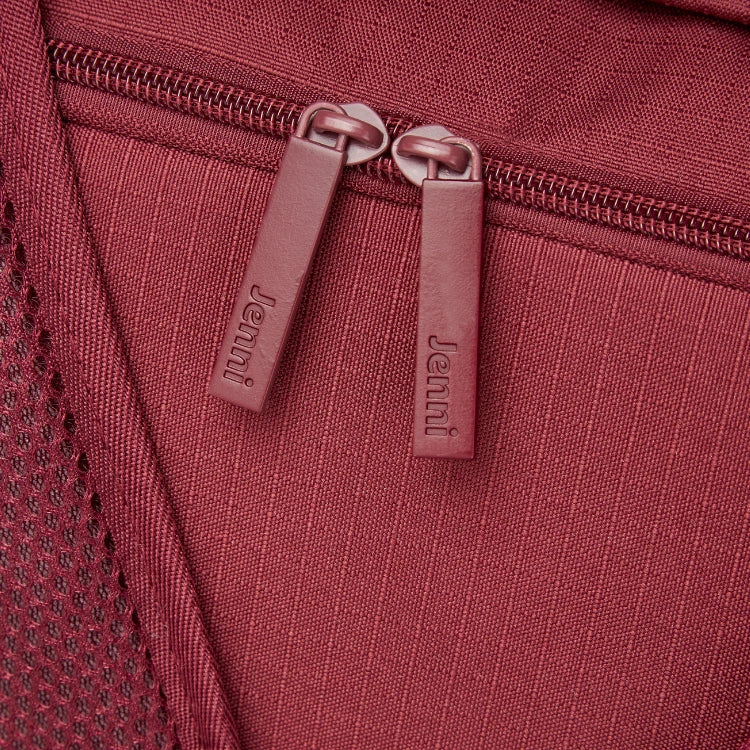
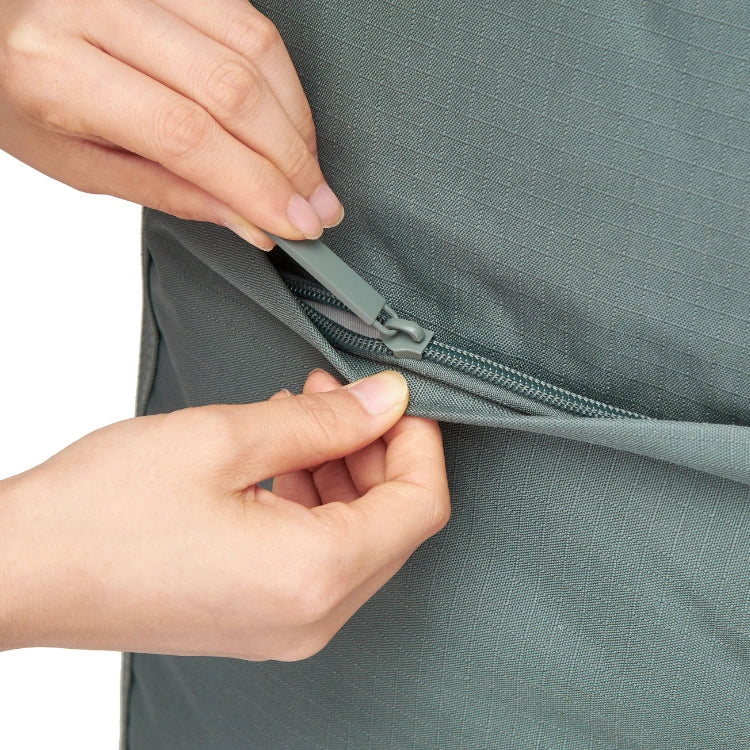
The outer main zipper worked — but customers noticed it didn't feel as substantial as the rest of the bag. No widespread failure reports, but the pull wasn't smooth enough and didn't inspire the kind of confidence you want from hardware you're using every trip.
The corner lining
The corner lining was a more subtle issue. Extra fabric at the interior corners meant the zipper would catch at that same spot every time on the way around. It wasn't a broken zipper — the zipper was fine. But the lining was creating friction that made closing the bag feel more effortful than it should.
What changed in JenniBag 2.0: the three upgrades
Interior T-shape zipper: reinforced at the junction point

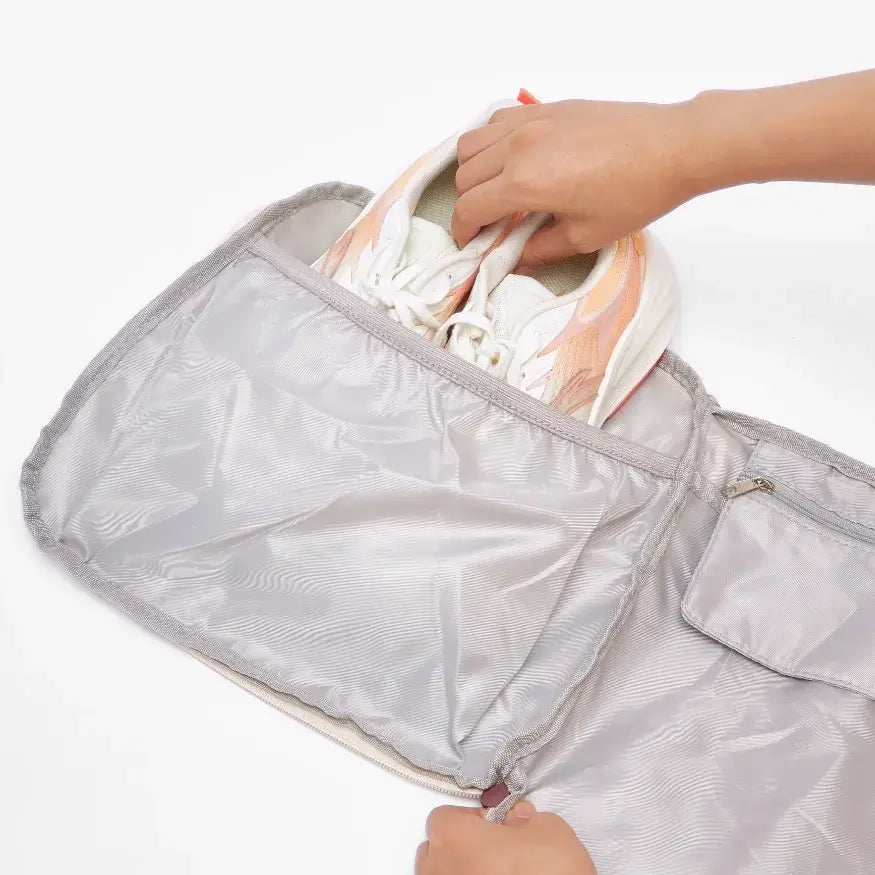
The new interior divider zipper is reinforced specifically at the junction point — the exact spot that takes the most stress when the bag is fully packed.
Why this matters: if you're packing 10+ days of clothing, the junction point is where all that tension converges. The original zipper grade wasn't engineered for that load. The upgraded zipper is.
Outer main zipper: heavier-grade hardware across the entire bag

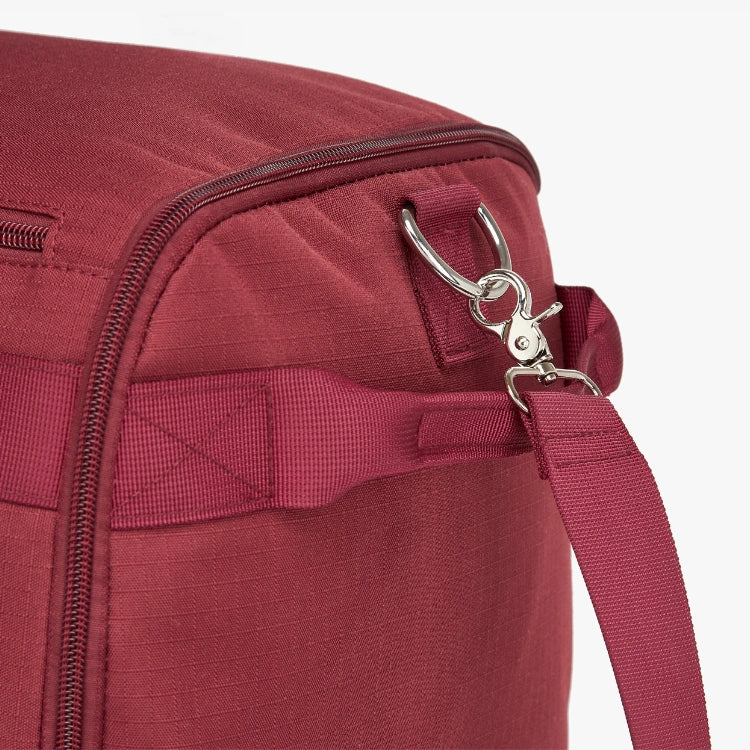
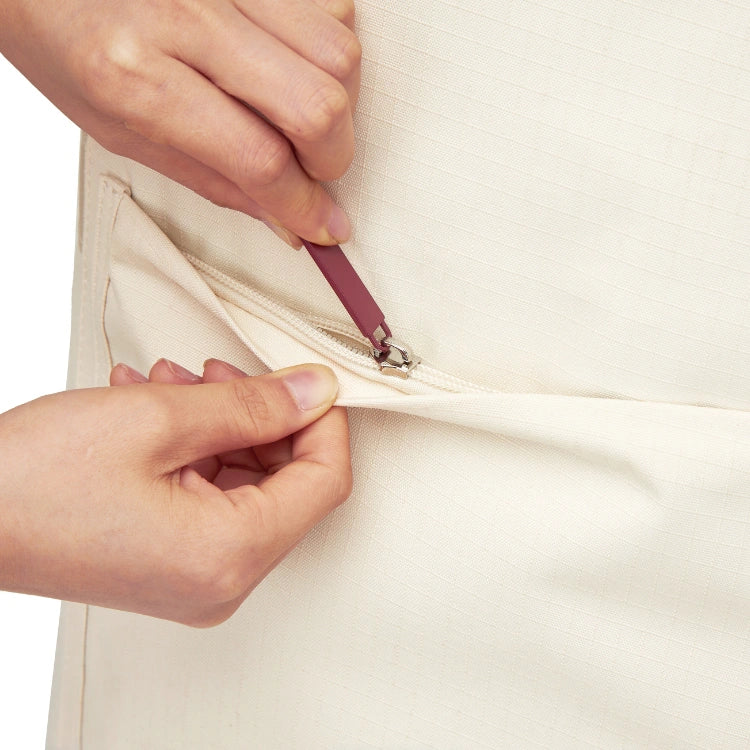
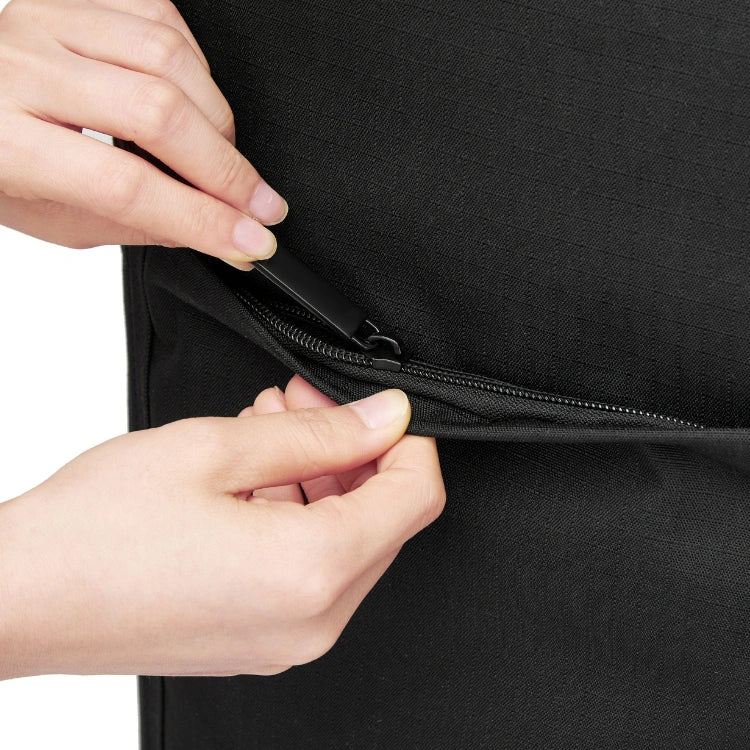
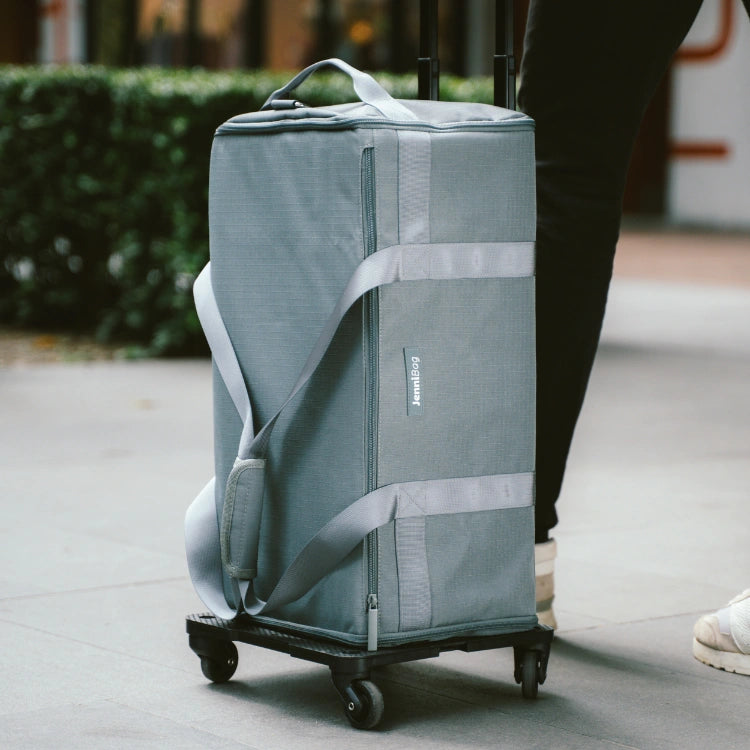
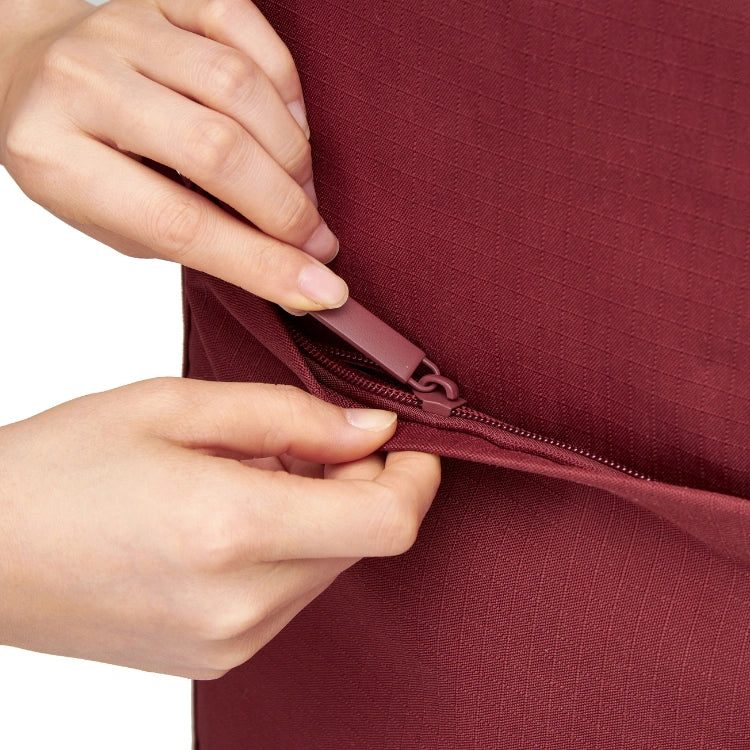
The outer zipper was upgraded to a heavier-grade pull across the full circumference of the bag.
The difference is immediate — smoother to open, firmer resistance when fully closed, and hardware that feels like it's built to last two years and fifty trips, not just the first few.
This was less about failure prevention and more about matching the quality expectation of what JenniBag is supposed to feel like to use.
Corner lining: trimmed for clean zipper travel

The interior lining at the corners was reduced. The zipper now travels around the full edge of the bag cleanly — no snagging, no bunching, no second attempt needed.
This is the change that's hardest to describe but immediately obvious when you use the bag. The zipper just... closes. All the way. First time. Every time.
How to get the longest life out of your zipper
Even with the upgraded hardware, zipper performance over time depends partly on how the bag is packed. A few things that protect your zippers long-term:
Don't force an overloaded bag closed
If the bag is bulging past its capacity, the zipper is working against physics. Compress your clothing first using the Jenni Vacuum Kit — it's designed specifically for this — then zip.
Start from the corner, not the middle
Begin at the corner rather than trying to pull from the middle. This distributes tension more evenly and reduces stress on the hardware.
Keep the zipper track clear
Thin fabric (scarves, underwear edges) getting caught in the zipper track is the most common cause of any zipper snag on any bag. Tuck items away from the zipper path before closing.
Use the carry handles, not the zipper pull
Don't hang the bag by the zipper pull. Use the carry handles. The pull tab is engineered for pulling, not load-bearing.
What to do if you receive a bag with a genuine defect
High priorityIf your JenniBag zipper is not functioning correctly out of the box — not just stiff on first use, but genuinely not closing or separating — contact our support team directly.
Every JenniBag comes with a replacement and support guarantee. If there's a manufacturing defect, we make it right. The process is straightforward:
Include order number + photo/video
A short description and visual evidence is all we need.
We respond within 24 hours
And arrange a replacement or resolution.
We don't ghost customers with defect issues. If your experience has been otherwise, we want to know — and we want to fix it.
What customers are saying after the upgrade
I was nervous after reading some older reviews about the zippers, but mine has been completely solid after three months of weekly travel.
[More customer quotes can be added here]
The honest summary
Some early JenniBag reviews flagged real issues — particularly around the interior divider zipper and corner lining. Those complaints were accurate for that production batch.
JenniBag 2.0 addresses all three specifically: reinforced junction zipper, heavier-grade outer hardware, and trimmed corner lining for snag-free closing.
If the older reviews made you hesitate — that hesitation made sense at the time. The bag you'd receive today is a different product in those exact areas.